





NCTC leads the way for the USG in terms of analyzing, understanding, and responding to the terrorist threat. That mission imperative informs and animates everything we do. Highlights of what we do include:
• Operate as a partnership of organizations to include: Central Intelligence Agency; Department of Justice/Federal Bureau of Investigation; Departments of State, Defense, and Homeland Security; and other entities that provide unique expertise such as the Departments of Energy, Treasury, Agriculture, Transportation, and Health and Human Services; and the Nuclear Regulatory Commission.
• Chair interagency meetings on terrorist groups, capabilities, plans and intentions, and emerging threats to U.S. interests at home and abroad.
• Chair and/or support interagency groups orchestrating and facilitating an efficient and effective allocation of U.S. government terrorism analysis assets, to include appropriate, planned redundancy.
• Produce integrated and interagency-coordinated analytic assessments on terrorism issues and publishes warnings, alerts, and advisories as appropriate.
• Maintain the national repository of known and suspected terrorists.
 • Manage a Joint Operations Center to provide unique insight and situational awareness of developing terrorism-related worldwide issues and events.
• Operate a secure website, NCTC CURRENT, which serves as an important dissemination mechanism for terrorism information produced by NCTC and other counterterrorism mission partners. NCTC CURRENT is directly available to a broad audience to include U.S. government partners with an operational focus such as the FBI's Joint Terrorism Task Forces and DOD's combatant commands.
• Support a process led by the Executive Office of the President to improve terrorism information sharing within the Intelligence Community and with the rest of the federal government and beyond.
• Provide an interagency forum and supporting process to link national-level counterterrorism policy to strategic operational objectives and tasks for counterterrorism.
• Develop, integrate, implement, and measure the effectiveness and progress of strategic operational plans for U.S. counterterrorism activity.
• Assign roles and responsibilities to lead Departments or agencies for counterterrorism activities according to strategic operational plans and consistent with applicable laws.
The Director of National Intelligence serves as the head of the Intelligence Community, overseeing and directing the implementation of the National Intelligence Program budget and serving as the principal advisor to the President, the National Security Council, and the Homeland Security Council for intelligence matters related to national security.
Working together with the Principal Deputy DNI and with the assistance of Mission Managers and Deputy Directors, the Office of the DNI's goal is to effectively integrate foreign, military and domestic intelligence in defense of the homeland and of United States interests abroad.
LEADING THE INTELLIGENCE COMMUNITY
The U.S. Intelligence Community is a coalition of 18 agencies and organizations, including the ODNI. The IC agencies fall within the Executive Branch, and work both independently and collaboratively to gather and analyze the intelligence necessary to conduct foreign relations and national security activities.
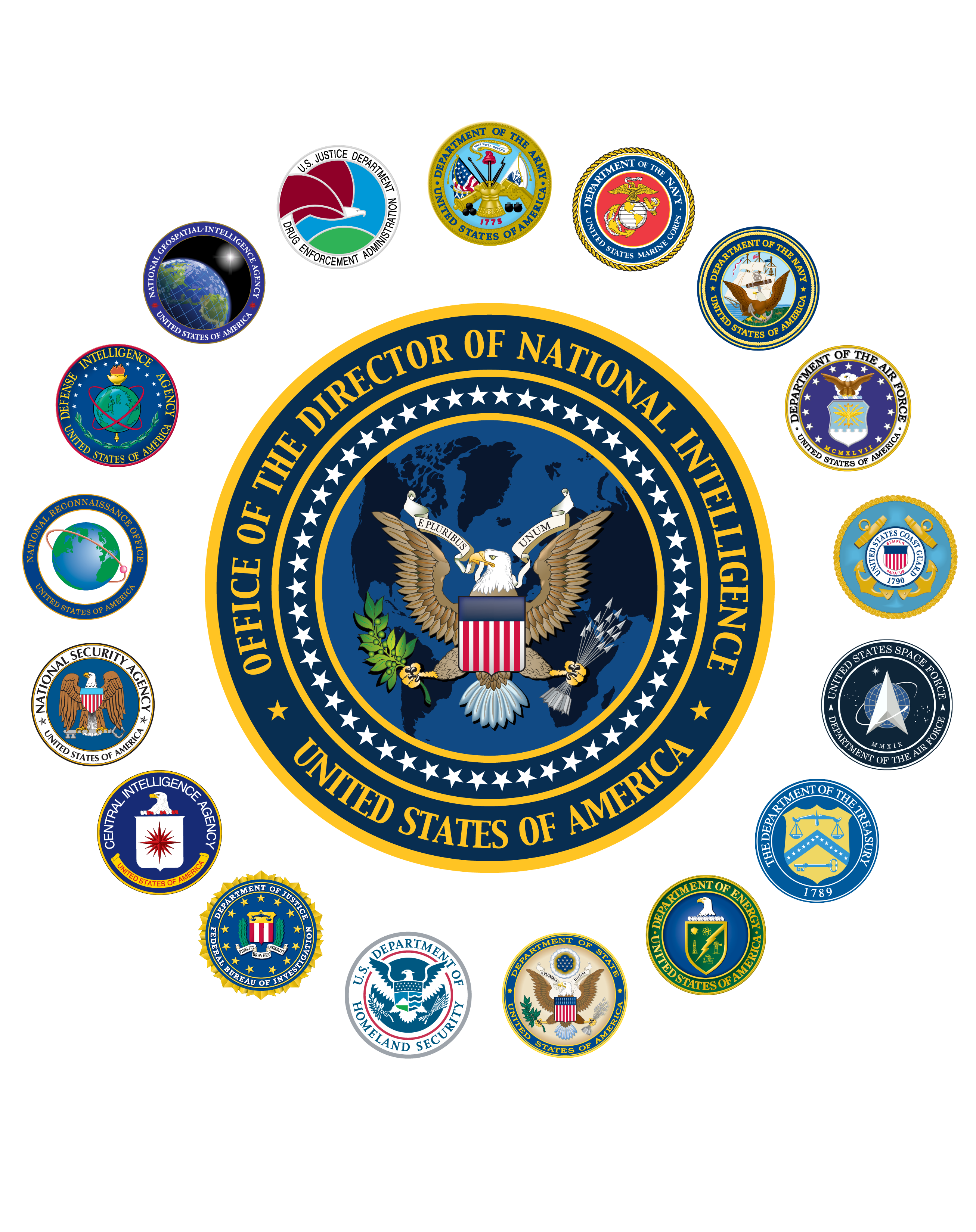
The IC’s mission is to provide timely, insightful, objective, and relevant intelligence to inform decisions on national security issues and events. The DNI executes the IC’s mission through decision making bodies, IC strategies, IC budget and resource management, development of IC capabilities, information sharing and safeguarding, and partnering with domestic and international partners.
The Office of Civil Liberties, Privacy and Transparency (CLPT) leads the integration of civil liberties and privacy protections into the policies, procedures, programs and activities of the Intelligence Community (IC). Its overarching goal is to ensure that the IC operates within the full scope of its authorities in a manner that protects civil liberties and privacy, provides appropriate transparency, and earns and retains the trust of the American people.
CLPT is led by the Civil Liberties Protection Officer, a position established by the Intelligence Reform and Terrorism Prevention Act of 2004. The Act provides that the Civil Liberties Protection Officer reports directly to the Director of National Intelligence (DNI), and sets forth his duties, which include ensuring that privacy and civil liberties protections are appropriately addressed in the policies and procedures of intelligence agencies; overseeing compliance by the ODNI with privacy and civil liberties in programs and operations administered by the ODNI; and ensuring that the use of technology sustains, and does not erode, privacy. The Civil Liberties Protection Officer also serves as the ODNI’s Chief Transparency Officer. In that capacity, he is responsible for leading implementation of the Principles of Intelligence Transparency for the IC. The Principles guide how the IC should make information publicly available while protecting classified information, when disclosure would harm national security.
 In the aftermath of September 11, 2001, President George W. Bush, by issuing Executive Order 13354, and the Congress of the United States (US), by passing the Intelligence Reform and Terrorism Prevention Act (IRTPA) of 2004, reformed our nation’s intelligence enterprise, with a specific focus on intelligence related to terrorism. These foundational documents define NCTC’s principal roles, missions, and responsibilities.
Mission
Lead the nation’s effort to protect the United States from terrorism by integrating, analyzing, and sharing information to drive whole-of-government action and achieve our national CT objectives.
Vision
Be the nation’s indispensable source of CT expertise in a constantly evolving threat environment by leading a unified, agile, and resilient CT enterprise.
Public trust is essential to the IC’s mission. It enables the IC to act within the full scope of its authorities, obtain new authorities as appropriate, and earn the cooperation of key partners. CLPT helps ensure that the IC conducts itself in a manner that gives the American people confidence that it is pursuing its vital security mission in a manner that exemplifies American values. The IC must protect civil liberties and privacy while providing appropriate transparency.
In addition, CLPT champions the Principles of Professional Ethics for the IC: Mission, Truth, Lawfulness, Integrity, Stewardship, Excellence and Diversity. These are the fundamental ethical principles that unite professionals across agencies and functions. These principles also distinguish the intelligence profession from
others.