





The Director of National Intelligence serves as the head of the U.S. Intelligence Community, overseeing and directing the implementation of the National Intelligence Program and acting as the principal advisor to the President, the National Security Council, and the Homeland Security Council for intelligence matters related to national security. The President appoints the DNI with the advice and consent of the Senate.
The DNI works closely with a President-appointed, Senate-confirmed Principal Deputy Director of National Intelligence to effectively integrate all national and homeland security intelligence in defense of the homeland and in support of U.S. national security interests.
AUTHORITIES & DUTIES
The National Security Act of 1947, as amended by the Intelligence Reform and Terrorism Prevention Act of 2004, provides that the DNI is the head of the Intelligence Community and designates the DNI as the principal intelligence advisor to the President. To that end, Congress has provided the DNI with a number of authorities and duties, including to:
- Ensure that timely and objective national intelligence is provided to the President, the heads of departments and agencies of the executive branch, the Chairman of the Joint Chiefs of Staff and senior military commanders, and the Congress.
- Establish objectives and priorities for collection, analysis, production and dissemination of national intelligence.
- Ensure maximum availability of and access to intelligence information within the Intelligence Community.
- Develop and ensure the execution of an annual budget for the National Intelligence Program based on budget proposals provided by IC component organizations.
- Oversee coordination of relationships with the intelligence or security services of foreign governments and international organizations.
- Ensure the most accurate analysis of intelligence is derived from all sources to support national security needs.
- Develop personnel policies and programs to enhance the capacity for joint operations and to facilitate staffing of community management functions.
- Oversee the development and implementation of a program management plan for acquisition of major systems, doing so jointly with the Secretary of Defense for DoD programs, that includes cost, schedule, and performance goals and program milestone criteria.
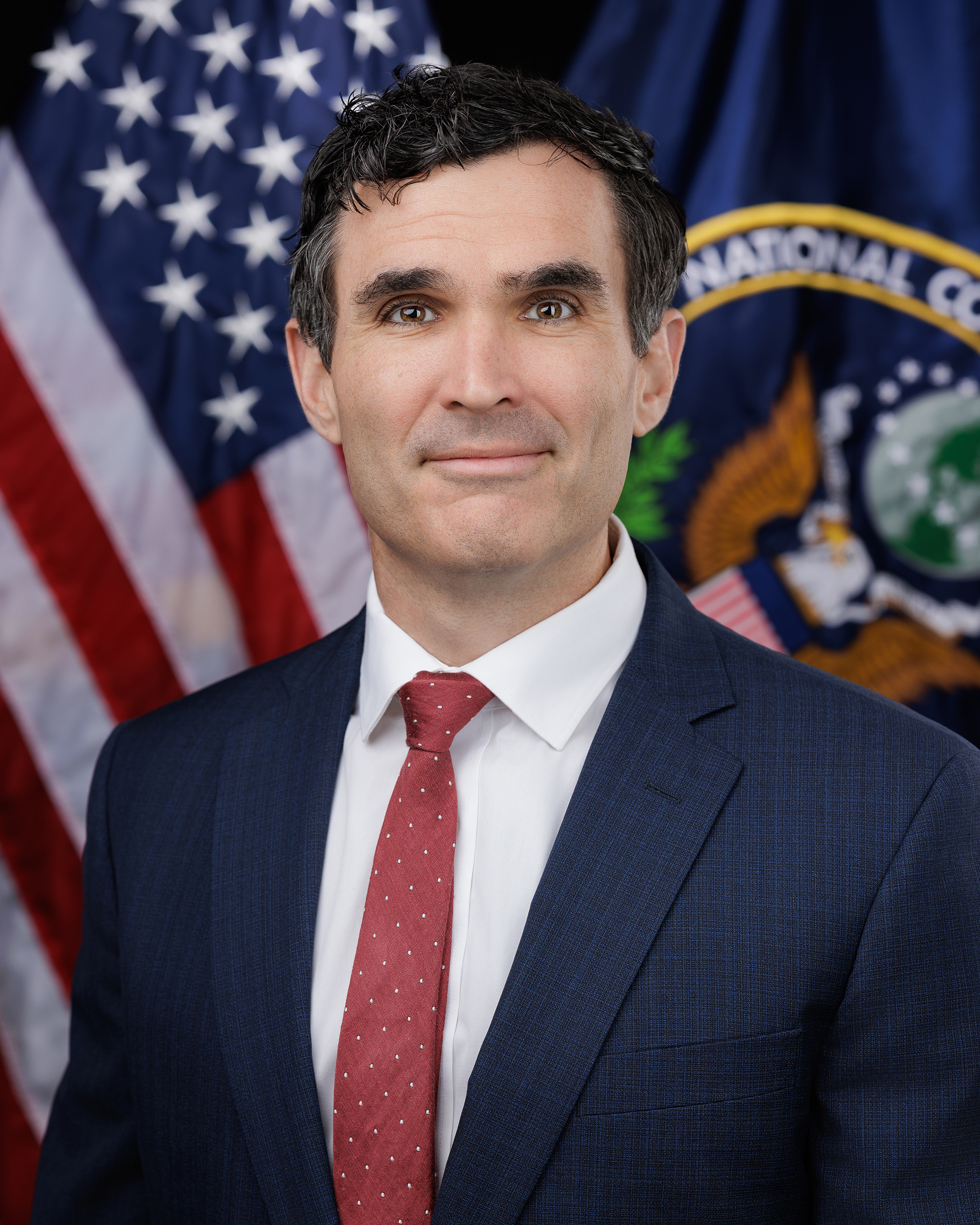
Brendan Ryan
Brendan Ryan serves as the Executive Director of the National Counterterrorism Center (NCTC). In this role, he ensures the effective execution of national counterterrorism priorities by aligning personnel, resources, and mission activities across the Center, enabling the Director to focus on strategy, policy, and senior-level engagement.
Mr. Ryan brings more than 20 years of experience in the Department of War and the Intelligence Community. Prior to his current role, he served as Chief of Staff at NCTC, where he advised senior leadership, directed interagency coordination, and managed resources, personnel, and organizational priorities to enhance mission effectiveness.
Before entering civilian service, Mr. Ryan served in the United States Army Special Forces, with multiple combat deployments across the Middle East and Central Asia. As a Special Forces operator, he led partner force development, coordinated complex combat operations, and operated in high-risk, austere environments in support of U.S. national security objectives.
Mr. Ryan holds a Bachelor of Arts in Economics and a Juris Doctor with honors.
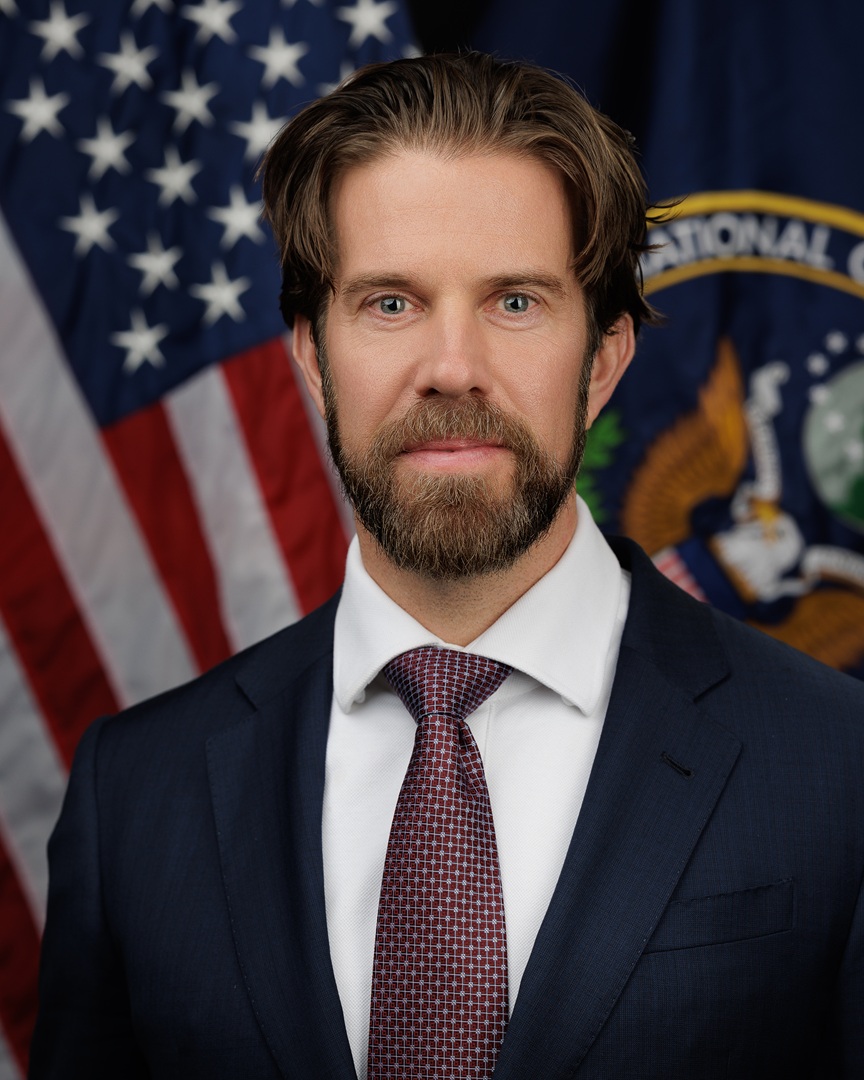
Joseph Weirsky
Joe Weirsky serves as the Deputy Director of the National Counterterrorism Center (NCTC). He brings nearly three decades of operational and intelligence experience from the U.S. Marine Corps and the Intelligence Community. In his current role, he guides the Center’s efforts to analyze and integrate all intelligence related to terrorism and to drive whole-of-government strategic operational planning to protect the nation from terrorist threats.
Mr. Weirsky grew up in New Jersey where he enlisted into the Marine Corps and served for 26 years retiring in 2020 as a Master Gunnery Sergeant. After attending boot camp at Parris Island, South Carolina and graduating the School of Infantry, he served at Marine Barracks 8th & I, 2nd Reconnaissance Battalion, 2nd Force Reconnaissance Company, and then spent 15 years serving within the U.S. Army Special Operations Command. His military career spanned the Global War on Terror era with multiple deployments, multiple combat deployments, and other worldwide operations, for which he earned several personal and combat awards. After retiring from the Marine Corps, he spent 5 years in private industry, most recently serving as a Chief Operating Officer prior to joining NCTC.
Dedicating a significant portion of his career to military service, Mr. Weirsky specialized in counterterrorism and national security operations aimed at confronting the United States’ most dangerous adversaries. Over the years, he played a key role in identifying emerging threats from hostile nations and non-state actors alike, contributing to strategic missions both at home and abroad. His expertise in combat operations, intelligence analysis, threat assessment, and operational leadership earned him recognition for his unwavering commitment to protecting the American people and safeguarding the homeland.
CAREERS
NCBC's success comes from our diverse workforce, the majority of which is detailed to the Center from other US Government departments and agencies. Consider contributing your skills, expertise and experience to help advance NCBC's mission.