






Since 2007, the Federal Fellowship Programs of JCAT and its predecessor the Interagency Threat Assessment and Coordination Group (ITACG) have hosted over 80 fellows from 26 states, leading JCAT to maintain connectivity with a diverse network of alumni in SLTT departments and agencies across the nation.
The knowledge and experience fellows gain during their time with JCAT allows them to return to their own jurisdictions with an enhanced understanding of the federal CT landscape, including the missions, capabilities, and current initiatives of relevant intelligence and law enforcement partners. This unique understanding of the federal CT enterprise, coupled with their current field perspectives, make JCAT alumni valuable assets not only for state and local CT efforts, but also in support of ongoing federal CT production, outreach, and training. In many ways, JCAT alumni remain integrated into JCAT’s activities long after their departure.
To date, JCAT has hosted fellows from the following Departments and Agencies:
- Abington Police Department, PA
- Albuquerque Police Department, NM
- Arlington Police Department, TX
- Atlanta Police Department, GA
- Aurora Police Department, CO
- Austin Community College Police, TX
- Boston Police Department, MA
- California Department of Forestry & Fire Protection, CA
- California Highway Patrol, CA
- Casper Police Department, WY
- Charleston County Sheriff, SC
- Charlotte-Mecklenburg Police Department, NC
- Cincinnati Police Department, OH
- City of Phoenix Fire Department, AZ
- Columbus Police Department, OH
- Dallas Fire and Rescue, TX
- Detroit Police Department, MI
- Fairfax County Fire & Rescue Department, VA
- Fairfax Police Department, VA
- Fire Department City of New York, NY
- Florida Department of Health, FL
- Florida Highway Patrol, FL
- Fort Walton Beach Police Department, FL
- Harris County Sheriffs Office, TX
- Hennepin County Sheriff’s Office, MN
- Houston Fire Department, TX
- Illinois State Police, IL
- Indiana State Police, IN
- Indianapolis Metro Police Department, IN
- Jacksonville Fire and Rescue Department, FL
- Jacksonville Sheriff’s Office, FL
- Las Vegas Metro Police Department, NV
- Little River Band of Ottawa Indians, MI
- Little Rock Police Department, AR
- Los Angeles Fire Department, CA
- Los Angeles Police Department, CA
- Maricopa County Department of Health, AZ
- Minneapolis Police Department, MN
- Nebraska Health and Human Services, NE
- New Hanover County Sheriff's Office, NC
- New Jersey State Police, NJ
- Northern California Regional Intelligence Center, CA
- Oakland County Sheriff’s Office, MI
- Ohio Strategic Analysis and Information Center, OH
- Oneida Indian Nation Police, NY
- Orange County Fire and Rescue, FL
- Orange County Sheriff’s Department, CA
- Pasco Sheriff’s Office, FL
- Philadelphia Police Department, PA
- Phoenix Police Department, AZ
- San Antonio Fire Department, TX
- San Diego Police Department, CA
- Seattle Fire Department, WA
- Seattle Police Department, WA
- Simi Valley Police Department, CA
- Tennessee Bureau of Investigation, TN
- Union County Sheriff's Office, NC
- University of South Carolina Division of Law Enforcement and Safety, SC
- Utah Department of Public Safety, UT
- Washington State Patrol, WA
- Washington D.C. Fire & EMS Department
- Washington D.C. Metropolitan Police Department
- Williamson County Sheriff’s Office, TX
The Value of a JCAT Fellowship:
JCAT’s Federal Fellowship Program integrates state, local, tribal, and territorial (SLTT) first responders and public safety professionals into the Intelligence Community (IC). JCAT fellows work alongside IC personnel from NCTC, DHS, and FBI, and lend their subject matter expertise and field perspective to JCAT production, outreach and education, and support of the public safety community.
During the fellowship, JCAT fellows can expect to:
- Work at the National Counterterrorism Center under tri-seal leadership, alongside NCTC, FBI, and DHS analysts and support staff.
- Produce clear, relevant, federally coordinated threat information on significant international terrorism or terrorism-related events that have the potential to impact local or regional public safety conditions in the United States.
- Ensure terrorism-related information intended for state, local, tribal, and territorial entities is presented in a usable format that is, to the extent possible, unclassified, to facilitate further dissemination.
- Brief relevant JCAT products to state, local, tribal, territorial, and private sector (SLTTP) partners to broaden awareness of various terrorism threats and tactics, techniques, and procedures (TTPs), as well as highlight considerations and resources to address them.
- Provide advocacy and work with IC partners to tailor products to address the intelligence needs and requirements of SLTTP counterterrorism partners.
- Conduct outreach to the IC and strengthen partnerships with SLTTP partners to further enhance the awareness and understanding of the SLTTP role in counterterrorism through fellowship and outreach.
After their fellowship, JCAT fellows return home to their departments with:
- Deep insights into U.S. Government efforts to counter violent extremism impacting communities nationwide.
- Enhanced understanding of the federal counterterrorism landscape-roles, missions, capabilities, and current initiatives that can be leveraged to support state and local CT efforts.
- Knowledge of current and emerging threat streams drawn from NCTC’s access and role as the nation’s primary organization for integrating and analyzing counterterrorism information and strategic operational planning for counterterrorism activities by the U.S. Government.
- Strong understanding of the intelligence cycle and how terrorism threats and TTPs might impact officer safety, tactics development, training requirements, equipment purchases, staffing, and resource decisions.
- Network of recognized counterterrorism experts drawn from professional interactions with the IC, NCTC, DHS, FBI, and other federal agencies; access to SLTT alumni nationwide.
- Critical thinking, tradecraft, and analytic skills developed through participation in IC training courses, on-the-job training, and analytic mentoring programs that pair JCAT fellows with federal level analysts.
Qualifications:
At the SLTT level in one or more of the following areas: law enforcement, fire service, multiagency task forces, long-term investigations, public safety, public health, intelligence, critical infrastructure, or information sharing/homeland security. First responder experience is highly desirable.
-or-
Experience conducting research and analysis to produce intelligence assessments for the SLTT community; interpreting investigative information and extrapolating data for analysis, evaluation, and dissemination to appropriate officials; and identifying trends and knowledge gaps relating to terrorist plans, intentions, and capabilities for the SLTT community. Fusion Center experience is highly desirable.
Opportunities
JCAT offers federal fellowship opportunities to public safety professionals—law enforcement, emergency medical services, fire service, intelligence, homeland security, emergency management, and public health officials—from SLTT agencies. This highly competitive program is sponsored by NCTC, DHS, and FBI and requires a six-month to one-year commitment in McLean, Virginia, if selected.
Applicants must be a current employee from a SLTT agency, possess a working knowledge of the terrorism and homeland security information needs of SLTT partners, and have the ability to obtain a Top-Secret clearance.
If interested, click here to learn more or click the button below to contact us
First Responder Toolbox is an ad hoc, Unclassified//For Official Use Only, reference aid intended to promote counterterrorism coordination among federal, state, local, tribal, and territorial government authorities and partnerships with private sector officials in deterring, preventing, disrupting, and responding to terrorist attacks.
Click here for the JCAT Catalog Overview from December 2013 to December 2021.
Desk References and Brochures:
- JCAT Brochure
- Terrorism Prevention Brochure/Trifold
- Threat Assessment and Threat Management (TATM) Brochure/Trifold
- US Violent Extremism Mobilation Indicators 2021 - Desk Reference
- Terrorism Prevention Spectrum
First Responder Toolbox:
- ACID ATTACKS: Potential Opportunistic Threat and Rapid Treatment Awareness
- Animal Cruelty- A Possible Warning Behavior for Terrorism - survey
- Awareness of Illicit Cryptomining-Related Activities May Improve Detection
- Awareness of Violent Extremist Tactics To Defeat Physical Security Can Improve Response
- Best Practices for Vehicle Screening Against Terrorist Tactics (interactive)
- Best Practices for Vehicle Screening Against Terrorist Tactics (print) - survey
- Bus Attacks Highlight Potential Tactics and Mitigation Efforts
- Bystanders Are Key To Countering Terrorism - survey
- Chemical and Biological Threats to Food Retailers
- Chemical and Biological Threats to Food Retailers - graphic - survey
- Complex Operating Environment - Airport
- Complex Operating Environment - Educational Facilities: Primary and Secondary Schools
- Complex Operating Environment - Educational Facilities: Post-Secondary Institutions
- Complex Operating Environment - Electric Grid
- Complex Operating Environment – Ferry Systems - New!
- Complex Operating Environment – Food and Agriculture
- Complex Operation Environment – Healthcare Facilities
- Complex Operating Environment - High-Rise Hotel
- Complex Operating Environment - Oil and Gas Refineries
- Complex Operating Environment - Oil and Gas Pipeline - Survey
- Complex Operating Environment - Shopping Malls
- Complex Operating Environment – Special and Other Significant Events
- Complex Operating Environment -- Special and Other Significant Events - Print
- Considerations for Responding to an Improvised Explosive Device (IED) Attack
- Counterterrorism Considerations for Waterfront Locations
- Counterterrorism (CT) Program Consideration for Public Safety
- Emerging Technologies and Possible Malign Uses by Terrorists - New!
- Emerging Technologies May Heighten Terrorist Threats
- Engaging the LGBTQIA+ Community To Counter Violent Extremist Threats - New!
- Female Violent Extremists
- Hexamethylene Triperoxide Diamine (HMTD)-survey
- Hospitality Industry: Enhanced Suspicious Activity Awareness Assists in Terrorism Prevention
- Identifying and Preventing Illicit Use of Cryptocurrency by Terrorists
- Identifying and Preventing Terrorist and Other Illicit Financing
- Identifying Terrorist Trade-Based Money Laundering - New!
- IED Manufacturing Components
- IED Manufacture Indicators
- Intervention Options for Minors Vulnerable to Violent Extremism Activity
- Involvement of Minors in Terrorist Plots and Attacks Likely To Endure
- International Partnerships Among Health, Private Sector, and Law Enforcement Necessary to Mitigate ISIS’s Organ Harvesting for Terrorist Funding
- Knockdown Gases: Dangers, Indicators, and Response
- Malicious Modification of UAS
- Mental Health Considerations in Threat Management of Terrorism Investigative Subjects-survey
- Mitigating the Threat of Terrorist-Initiated Arson Attacks on Wildland-Urban Interface Areas
- Mixing Ideologies Requires Multipronged Terrorism Prevention Efforts
- Multilayered Approach Can Help Mitigate Challenges Posed by Common HME Precursors and IED Components
- National Historical Landmarks and Monuments - Survey
- Natural Gas and Propane Terrorist Tactics - Survey
- OUTREACH OPPORTUNITY: Western-Based Friends and Family May be Forced to Pay Ransom for African Migrants to Criminal Entities With Possible Terrorist Ties
- Persistent Threat of Terrorist Ambush Attacks on First Responders
- Personal Security of First Responders in the Digital Age - Survey
- Planning and Preparedness Can Promote an Effective Response to a Terrorist Attack at Open-Access Events
- Plant-derived Toxins-survey
- Possible Indicators of Criminal Offenders Mobilizing to Violent Extremist
- Post 9-11 Response Evolution to an Enduring Threat
- Postal and Shipping - Identification and Mitigation of Suspicious Mail and Packages-survey
- Postal and Shipping- Suspicious Package Response Card
- Potential for Terrorists to Exploit Challenges Associated with COVID-19
- Programmable Microcontrollers - Potential for Illicit Use-survey
- Protection Considerations for Violent Extremist Threats to Public Officials
- Radiological Threat Awareness
- Recognizing Arson With a Nexus to Terrorism
- Recognizing Possible Terrorist 911 Calls: Indicators and Considerations for an Effective Response
- Reporting Suspicious Activity - Critical for Terrorism Prevention
- Reentry Service Partnerships Important in Terrorism Prevention
- Response Considerations for Increased Threat Reporting to US Telecommunications Infrastructure
- Responses to Overseas Conflicts May Impact Public Safety Agencies in the Homeland
- Special Events Working Aid
- Taxi Cab and Ride-Sharing Service Partnerships – Potential Public Safety Force Multiplier
- Taxi Cab and Ride-Sharing Service Potential Counterterrorism Force Multiplier-Visor Card
- Terrorism Planning and Incident Response Consideration for Bridges-survey
- Terrorism Prevention – A Form of Violence Reduction
- Terrorism Prevention - Addressing Early Risk Factors to Build Resilience Against Violent Extremism
- Terrorism Prevention Spectrum - New!
- Terrorist Attacks against Bars, Restaurants, Nightclubs Worldwide Highlight Importance of Public and Private Sector Partnerships in the Homeland
- Terrorist Arson
- Terrorist Commemorative Messaging Encourages Attacks - Survey
- Terrorist Disinformation
- Terrorist Exploitation of Online Gaming Platforms
- Terrorist Insider Threat
- Terrorist Messaging Urges Use of Edged Weapons - Survey
- Threat Assessment and Threat Managment (TATM)
- Threat Assessment and Threat Management - A Model Critical to Terrorism Prevention (1 of 3)
- Threat Assessment and Threat Management - Multidisciplinary Teams (2 of 3)
- Threat Assessment and Threat Management - Assessment and Management (3 of 3)
- Threats Against Houses of Worship Highlight the Importance of Religious Community Outreach (2022)
- Threats Against Religious Facilities and Adherents Highlight Importance of Religious Community Outreach (2019)
- Threat of Terrorism and Hate Crimes Against Jewish Communities in US - survey
- Triacetone Triperoxide (TATP): Indicators of Acquisition and Manufacture, and Considerations for Response
- Understanding and Mitigating Violent Extremism Among Offenders
- Urea Hydrogen Peroxide
- Use of Memes by Violent Extremists
- Vehicle Borne Attacks - Tactics and Mitigation-survey
- Vehicle Borne Improvised Explosive Device (VBIED): Preparedness, Recognition, And Response
- Vehicle Rental/Leasing Industry Partnerships: A Force Multiplier
- Violent Extremists and Terrorists Exploit Civil Unrest and Public Assemblies in the United States - survey
- Violent Extremists’ Use of Generative Artificial Intelligence - New!

JCAT First Responder Toolbox -- Terrorism Prevention Brochure/Trifold
This is a specially developed brochure that can be printed and folded as a trifold brochure.
In order for this to work, please use these printer settings:
- Select “Print on both sides of the paper”
- Select “Flip on short edge”
Threat Assessment and Threat Management (TATM) Brochure/Trifold
This is a specially developed brochure that can be printed and folded as a trifold brochure.
In order for this to work, please use these printer settings:
- Select “Print on both sides of the paper”
- Select “Flip on short edge”
Download the "Threat Assessment and Threat Management (TATM) Brochure/Trifold"
First responders, performing homeland security or law enforcement activities on behalf of a state, local, tribal, or territorial government, can access unclassified CT information through US Government Internet portals. These websites contain intelligence products designed to enhance awareness of terrorism threats, tactics, techniques and procedures intended to help protect yourselves and your jurisdictions against potential terrorist attacks. For more information on how to access NCTC’s unclassified/for official use only CT products, please contact This email address is being protected from spambots. You need JavaScript enabled to view it..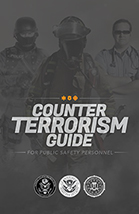 Counterterrorism Guide for Public Safety Personnel
Public safety personnel are often positioned to identify suspicious activity potentially related to terrorism, and in some cases, first responders who have reported this information have helped to disrupt terrorist plans or attacks in the US.
JCAT'S COUNTERTERRORISM GUIDE FOR PUBLIC SAFETY PERSONNEL is designed to assist first responders in:
• RECOGNIZING and REPORTING suspicious activity that may be linked to terrorism, consistent with the Nationwide Suspicious Activity Reporting (SAR) Initiative;
• SPOTTING indicators of mobilization to violence; and,
• RESPONDING and MITIGATING terrorist attacks. Intelligence Guide for First Responders
The Intelligence Guide for First Responders was produced by JCAT to improve information sharing among state, local, tribal, and territorial jurisdictions and the federal government.
This guide:
• Highlights your role and responsibility as a consumer of intelligence information.
• Demonstrates how to handle this information and why it must be protected
• Shows you where to find this information and how to gain access to Internet-based U.S. Government systems.
• Helps you understand and participate in the Nationwide Suspicious Activity Reporting Initiative.
• Provides an overview of the Intelligence Community, the intelligence cycle, and the products available to you.
• Identifies existing federal, state, local, tribal, and territorial partnerships that you can use to carry out your duties and responsibilities.
 Counterterrorism Digest
An UNCLASSIFIED compendium of international and domestic news focusing on CT information. It is produced by NCTC in collaboration with JCAT every Wednesday, and it includes relevant commentary on issues related to terrorism and CT. It is available on Internet-based, US Government information sharing systems.
 Counterterrorism Weekly
A FOR OFFICIAL USE ONLY periodical produced by NCTC in coordination with JCAT that focuses on international terrorism compiled from open source information with relevant commentary. It is posted to Internet-based, US Government information sharing systems.
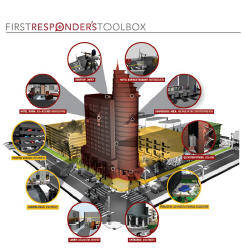
First Responder Toolbox is an ad hoc, Unclassified//For Official Use Only, reference aid intended to promote counterterrorism coordination among federal, state, local, tribal, and territorial government authorities and partnerships with private sector officials in deterring, preventing, disrupting, and responding to terrorist attacks. First Responder Toolboxes are available on DHS’ HSIN.gov, FBI’s LEO.gov, and the Domestic Security Alliance Council’s DSAC.gov.
 Homeland Security Information Network (HSIN)
A national, secure, and trusted web-based portal for information sharing and collaboration among federal, state, local, tribal, territorial, and private-sector partners engaged in the homeland security mission.
• JCAT products are accessible in both the Emergency Services and Intelligence Communities of Interest on HSIN.
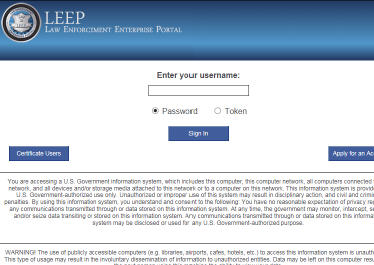 Law Enforcement Enterprise Portal (LEEP)
The Law Enforcement Enterprise Portal (LEEP) is a secure platform for law enforcement agencies, intelligence groups, and criminal justice entities. LEEP provides web-based investigative tools, analytical resources, and networking support allowing users to strengthen case development, collaborate with internal and external agencies, and securely share sensitive documents.
• JCAT products are accessible via JusticeConnect, National Counterterrorism Center (NCTC) – Joint Counterterrorism Assessment Team (JCAT) Community on LEEP.
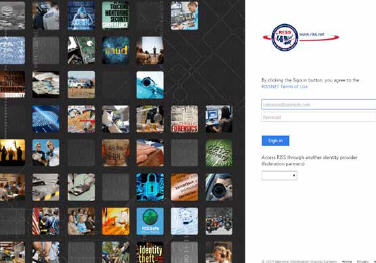 Regional Information Sharing Systems (RISS) Officer Safety Website
A secure, information-sharing website for law enforcement, dedicated to providing timely officer safety information and resources.
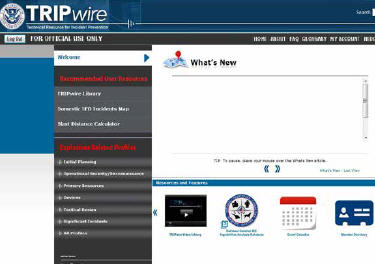 Technical Resource For Incident Prevention (TRIPWIRE)
An information-sharing network designed to increase awareness of evolving improvised explosive device tactics, techniques, and procedures.
Who We Are
The Joint Counterterrorism Assessment Team (JCAT) at the National Counterterrorism Center (NCTC) is where public safety professionals – in law enforcement, emergency medical services, fire service, intelligence, homeland security, emergency management, and public health – are making a difference in the counterterrorism (CT) community by improving information sharing among federal, state, local, tribal, and territorial government agencies and the private sector. JCAT fellows work side-by-side with intelligence analysts from NCTC, the Department of Homeland Security (DHS), and the Federal Bureau of Investigation (FBI) to develop products, conduct outreach and education, and support CT exercises and training.
How Does JCAT Carry Out Its Mission?
JCAT’s mission1 is to improve information sharing and enhance public safety for federal, state, local, tribal, territorial, and private sector (FSLTTP) partners. This is accomplished through three lines of effort:
• Intelligence Production – JCAT reviews CT intelligence and information to facilitate collaborative PRODUCTION on topics intended to address FSLTTP partners’ intelligence needs and requirements; incorporating FSLTTP experience and expertise, to the greatest extent possible, to ensure JCAT products are relevant and useful to counterterrorism partners.
• Outreach and Education – JCAT performs OUTREACH and EDUCATION to build and strengthen FSLTTP partnerships; promote awareness and understanding of partner capabilities and resources; improve information sharing; and recruit JCAT fellows.
• Support – JCAT provides SUPPORT to counterterrorism partners in the planning, delivery, and evaluation of exercises; and the facilitation of training.
1 JCAT’s mission relates to threats from international terrorists and U.S.-based violent extremists directed, enabled, or inspired by, or otherwise affiliating or collaborating with international terrorists, or that concern terrorist tactics, techniques, and procedures that could be employed by such actors. JCAT does not engage in activities addressing threats without an identified foreign nexus.